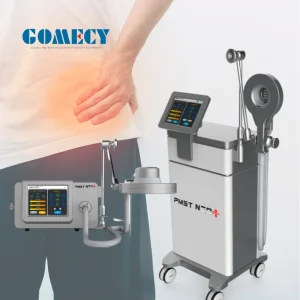
Explore our ISO 13485 and CE certified medical hardware, diagnostic equipment, and surgical instruments designed for international distribution.
Analyzing macro-market dynamics, clinical necessity, and the transition from passive compression garments to micro-processor controlled active hemodynamic systems.
Venous thromboembolism (VTE) remains one of the leading causes of preventable hospital mortality worldwide. Modern clinical protocols require Intermittent Pneumatic Compression (IPC) devices alongside pharmacologic prophylaxis. China-manufactured IPC pumps and sequential gradient sleeves deliver precise pressure profiles (e.g., 40–50 mmHg at calves, 30 mmHg at thighs) to accelerate peak venous velocity in the deep femoral veins, reducing blood stasis dramatically.
Secondary lymphedema resulting from oncology surgeries (such as radical mastectomy or pelvic lymph node dissection) requires rigorous lymphatic drainage therapy. Advanced multi-chamber dynamic compression devices export sequential gradient air pressure from distal to proximal limb segments, forcing accumulated high-protein interstitial fluid back into functional lymphatic capillaries and thoracic ducts.
Outside acute hospital wards, pneumatic compression garments have revolutionized athletic sports science. Rapid recovery systems utilize high-frequency pulse inflation to evacuate exercise-induced blood lactate, reduce delayed onset muscle soreness (DOMS), and minimize soft tissue edema, presenting a massive B2B commercial opportunity for fitness equipment importers and physical therapy networks.
Understanding the fluid dynamics, micro-processor control algorithms, and bio-material specifications that govern high-performance medical compression devices.
Medical compression efficacy depends entirely on mathematically modeled pressure drops. In normal human physiology, gravity exerts hydrostatic pressure on lower extremities (approx. 90 mmHg while standing). Pathology occurs when venous valves fail or muscle pump inactivity leads to venous pooling.
OEM China compression systems manufactured under strict quality standards utilize calibrated pneumatic pumps with multi-channel solenoid valves. The inflation cycle follows a wave-like or sequential pattern:
Garment durability and skin safety are mandatory for FDA and CE compliance. Leading Chinese export manufacturers utilize premium medical TPU (Thermoplastic Polyurethane) laminated with non-woven skin-contact fabrics:
✔ Cytotoxicity & Sensitization: ISO 10993 compliant.
✔ Burst Strength: Multi-layer high-frequency welding withstands >300 mmHg static pressure.
✔ Antimicrobial Coating: Silver-ion embedded TPU lining suppresses bacterial growth during prolonged clinical bedrest.
| Compression Parameter | Clinical Grade IPC Pumps | Portable Home Rehab Systems | Passive Elastic Stockings |
|---|---|---|---|
| Pressure Precision | ± 2 mmHg Microprocessor Controlled | ± 5 mmHg Sensor Adjusted | Static / Non-adjustable Grade |
| Pressure Range | 20 mmHg – 120 mmHg (Programmable) | 30 mmHg – 90 mmHg Preset | 15 mmHg – 40 mmHg Class I-III |
| Chamber Architecture | 4, 6, 8, or 12 Overlapping Chambers | 3 to 4 Sequential Chambers | Single Continuous Gradient Elastic |
| Therapeutic Focus | Post-Op DVT Prophylaxis, Severe Lymphedema | Chronic Venous Insufficiency, Sports Recovery | Mild Edema, Flight Thrombosis Prevention |
| Compliance Tracking | IoT Cloud Connectivity & Smart Logging | Digital LED Display Timer | Manual Patient Adherence |
Why leading global medical brands, healthcare distributors, and hospital procurement networks partner with Chinese manufacturing hubs.
China's medical device industry benefits from complete upstream and downstream cluster synergy. From micro air pump miniaturization and precise pneumatic solenoid valve production to high-frequency TPU fabric heat-sealing, every component is sourced within regional industrial parks. This reduces lead times for complex IPC systems by up to 60% compared to Western assembly facilities.
International B2B buyers require localized customization. Chinese manufacturers excel at tailored engineering: providing custom firmware algorithms for specific inflation cycle patterns, branding user interface consoles, adjusting sleeve chamber overlapping geometry, and engineering region-specific voltage/plug standards (110V/220V dual-mode circuitry).
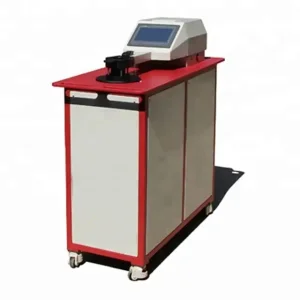
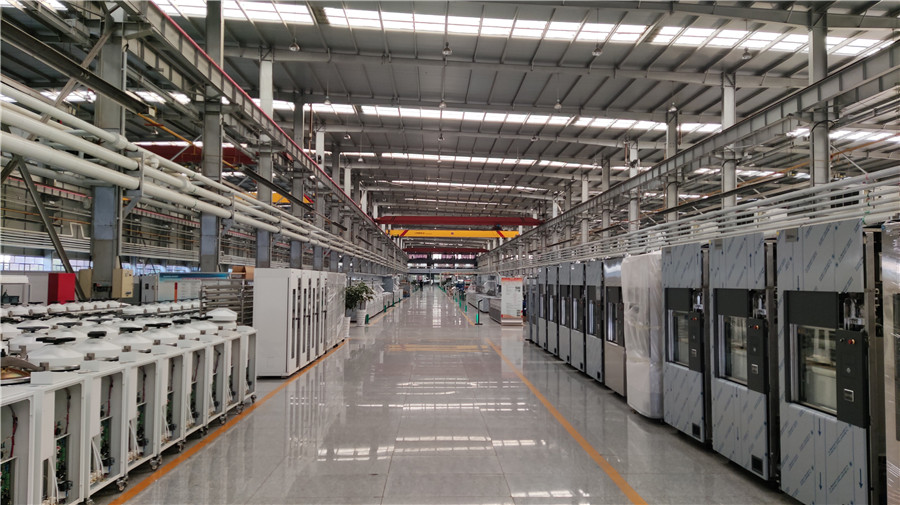
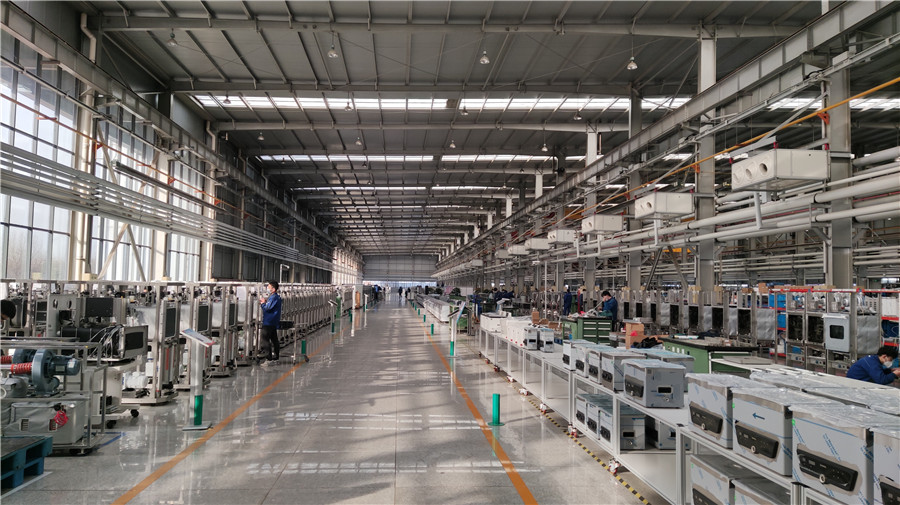
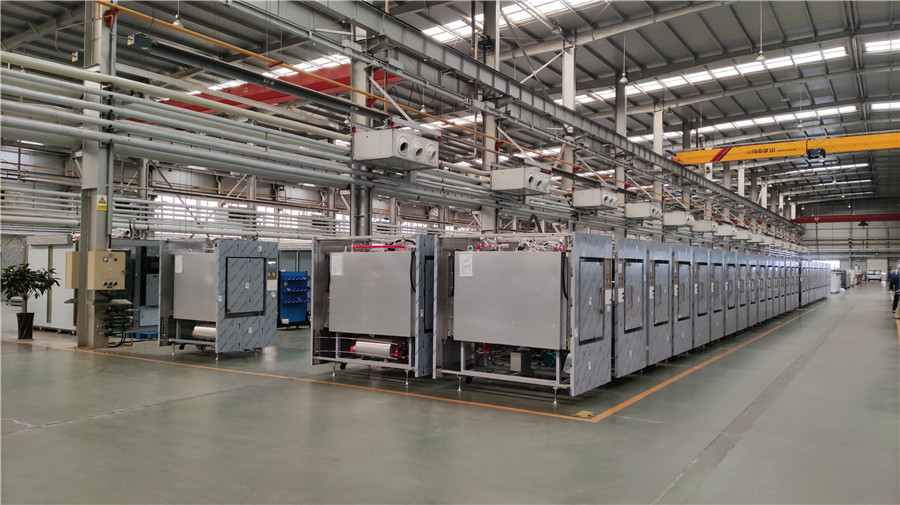
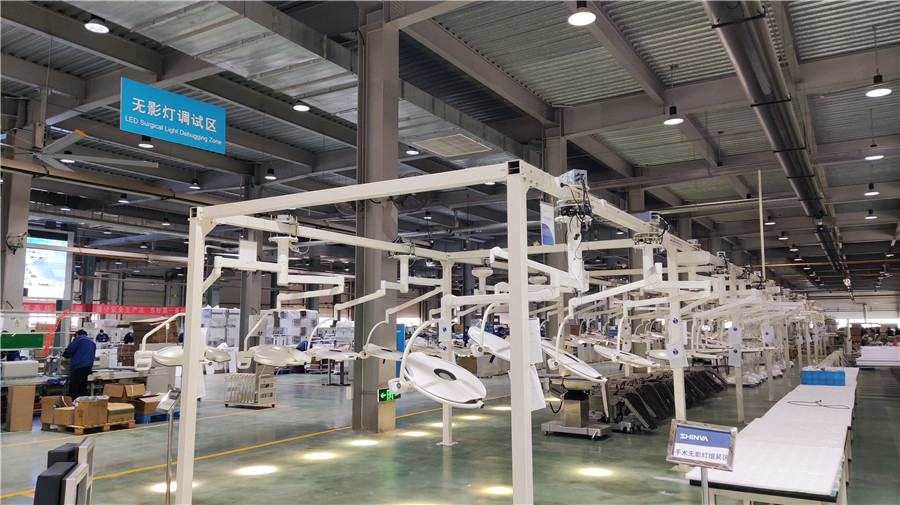
Export-oriented factories incorporate automated air-leakage testing equipment, inflation cycle life-testers (rated for >10,000 operational hours), and digital pressure calibration rigs. Every manufactured compression pump undergoes 100% burn-in testing prior to cleanroom packaging, guaranteeing low defect rates and long product lifespans.
From acute intensive care units to outpatient rehabilitation and home healthcare environments, adapted for specialized clinical needs.
In perioperative care, bedridden surgical patients under general anesthesia lose active calf muscle contraction. Hospital-grade IPC systems deliver sequential compression during long surgical procedures (e.g., total knee arthroplasty, abdominal oncology), drastically reducing deep vein thrombosis (DVT) risks and post-surgical hospital stays.
Venous leg ulcers (VLU) caused by long-standing venous hypertension require targeted compression therapy. Specialized multi-chamber systems clear non-healing ulcers by reducing microvascular filtration pressure, improving arterial capillary perfusion, and accelerating granulation tissue formation.
Elderly patients with limited mobility often suffer from chronic pedal edema and sluggish blood circulation. Low-noise, user-friendly homecare compression devices provide comfortable, non-invasive daily therapy, preventing skin breakdown and secondary subcutaneous infections.
Elite athletic teams and commercial recovery lounges utilize high-pressure dynamic compression boots to flush metabolic waste products post-competition. Portable battery-operated control units allow athletes to receive physical therapy on-the-go during global travel.
Pioneering the intersection of artificial intelligence, real-time hemodynamic sensing, and connected digital health systems.
Next-generation compression systems replace static pressure settings with sensor-driven feedback loops. Integrated piezo-resistive sensor arrays inside the sleeve continuously measure tissue firmness and venous capillary refills. The internal AI processor adjusts localized inflation millibars dynamically based on individual patient physiology.
With telehealth expanding, home-use IPC systems come equipped with Bluetooth/Wi-Fi communication modules. Clinical teams can remotely prescribe therapeutic pressure cycles, monitor daily compliance hours, and receive real-time alerts if patient usage drops or operational anomalies occur.
Future compression garments emphasize ultra-lightweight, noise-free micro-compressors directly attached to sleeves, eliminating cumbersome external air hoses. Concurrently, eco-conscious global procurement demands bio-based, recyclable TPU materials and chemical-free antimicrobial treatments.
A rigorous roadmap for international medical equipment importers, hospital purchasing syndicates, and OEM brand buyers.
Navigating global healthcare markets requires strict adherence to international regulatory bodies. Reliable China manufacturers provide full technical documentation (Device Master Files, Risk Assessment reports under ISO 14971, and IEC 60601-1 electrical safety compliance) to expedite destination country registration.
When selecting a Chinese manufacturer for wholesale compression therapy solutions, foreign procurement managers must audit key operational metrics:
1. Cleanroom Production Infrastructure: Verification of Class 100,000 ISO-certified cleanrooms for garment sealing and sterile packing.
2. Component Sourcing & Traceability: Raw material tracking from TPU polymer batches to electrical solenoid valves.
3. SLA & After-Sales Warranty: Manufacturer warranty terms (typically 12–24 months for control pumps) and spare part availability for long-term distribution stability.
A premier high-tech enterprise dedicated to research, manufacturing, and global distribution of specialized medical products.
Qingdao MDV Medical Appliances Co., Ltd. is a modern enterprise focusing on the R&D, manufacturing, and sales of anesthetic medical products, traditional Chinese medicine acupuncture, interventional products, injection puncture, and nursing medical equipment. The company has successfully passed the ISO 13485 Medical Device Quality System Certification.
Always taking the tenet of creating high-quality medical equipment, caring for life and health, and providing customers with first-class products and service, our company has been constantly upgrading our existing products and developing new products. We have many patented products to meet the requirements of product serialization and specialization.
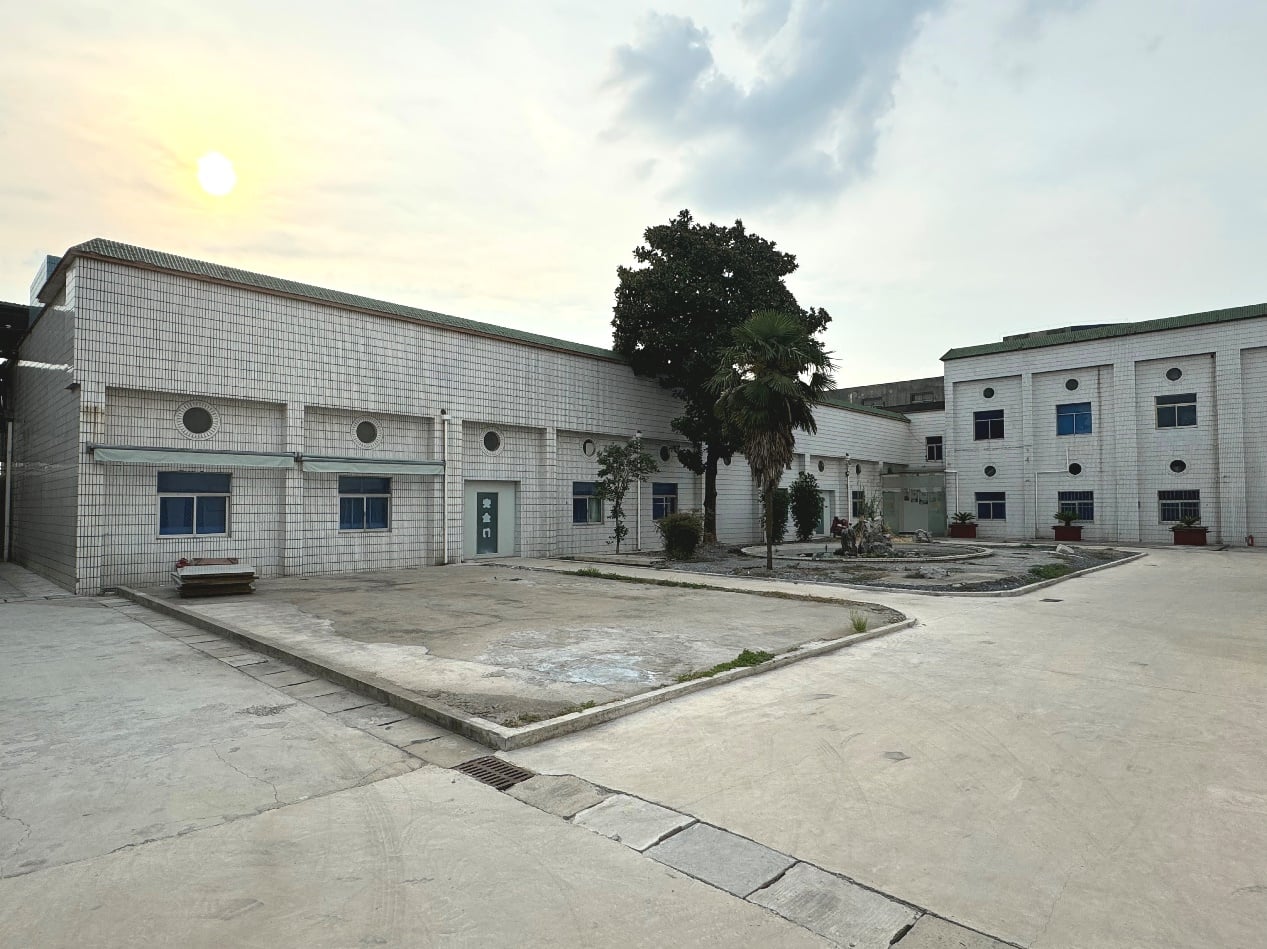
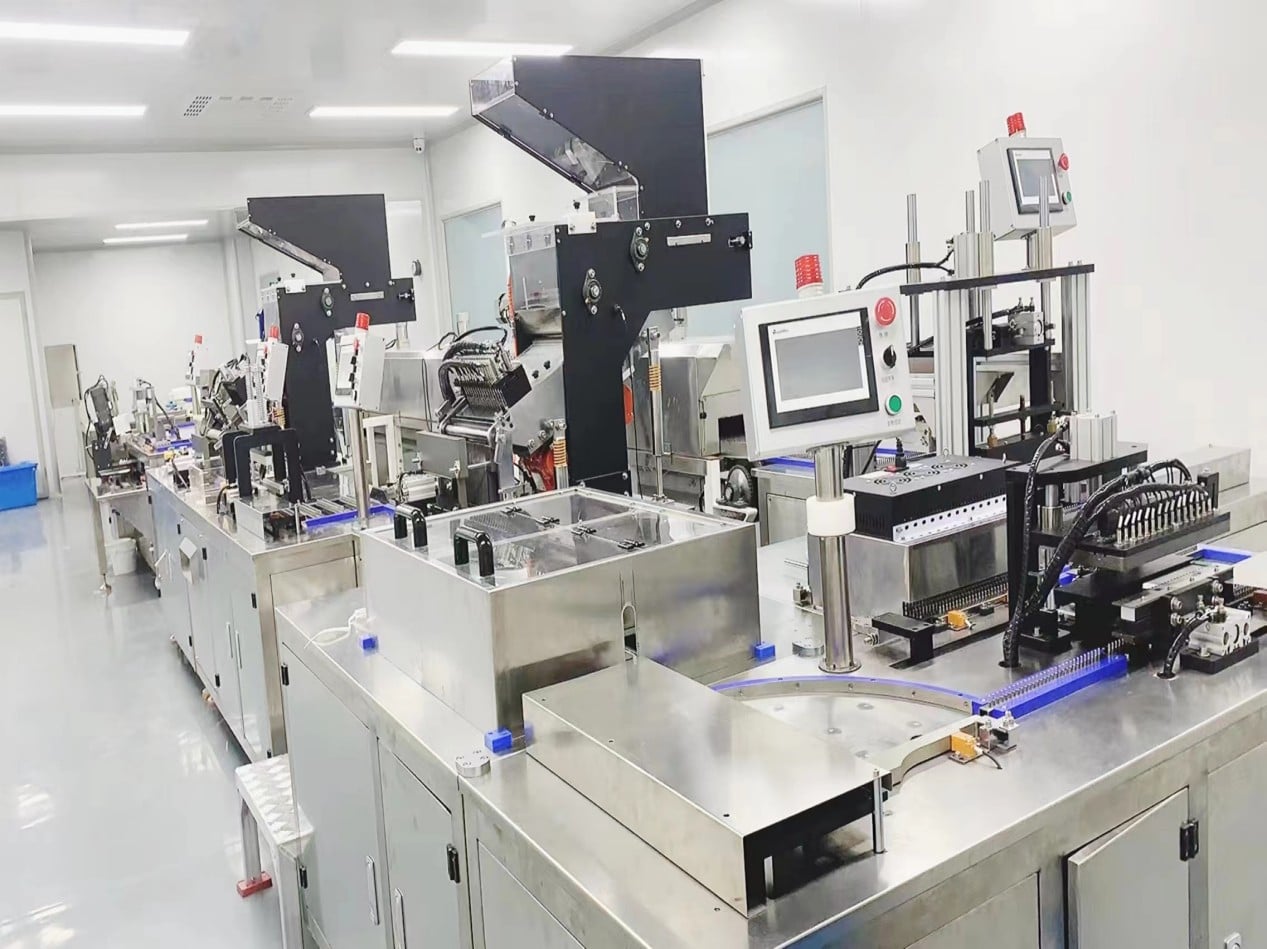
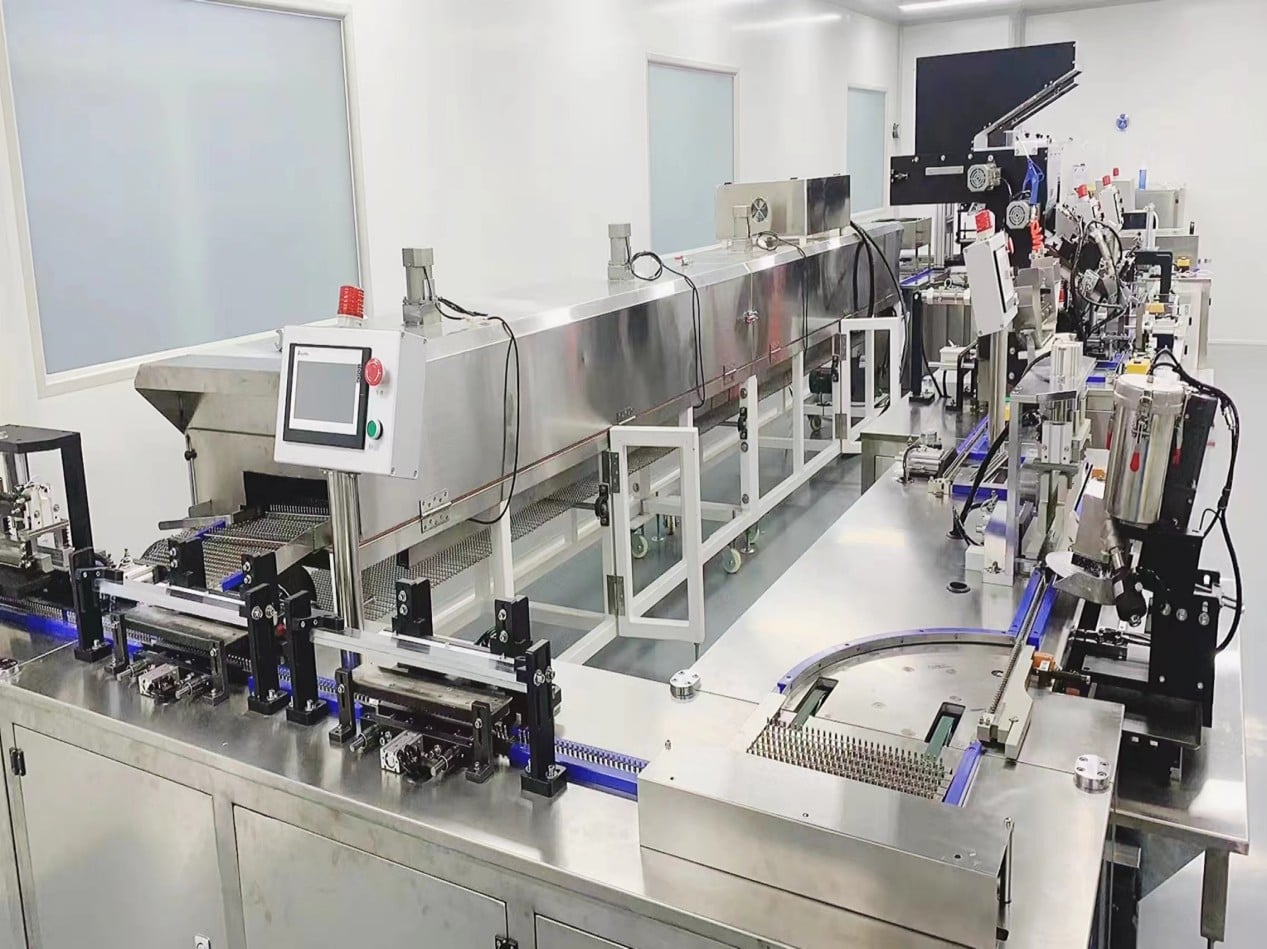
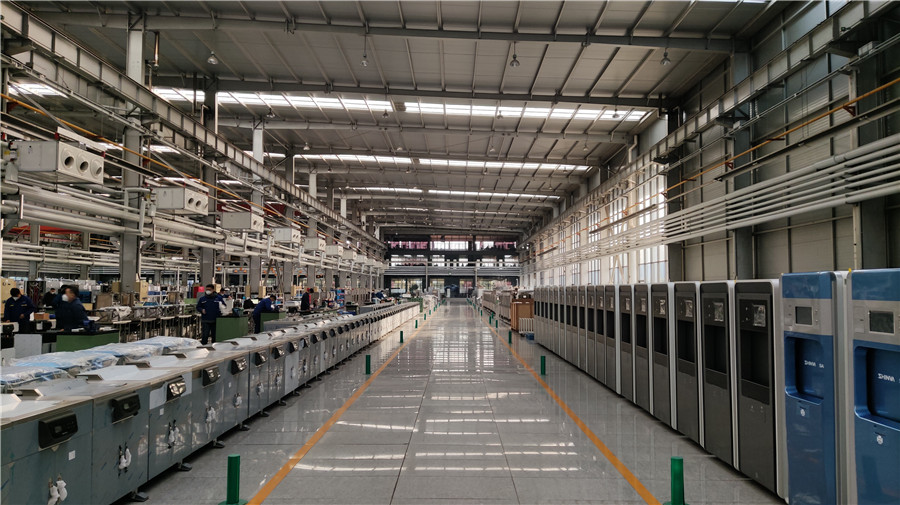
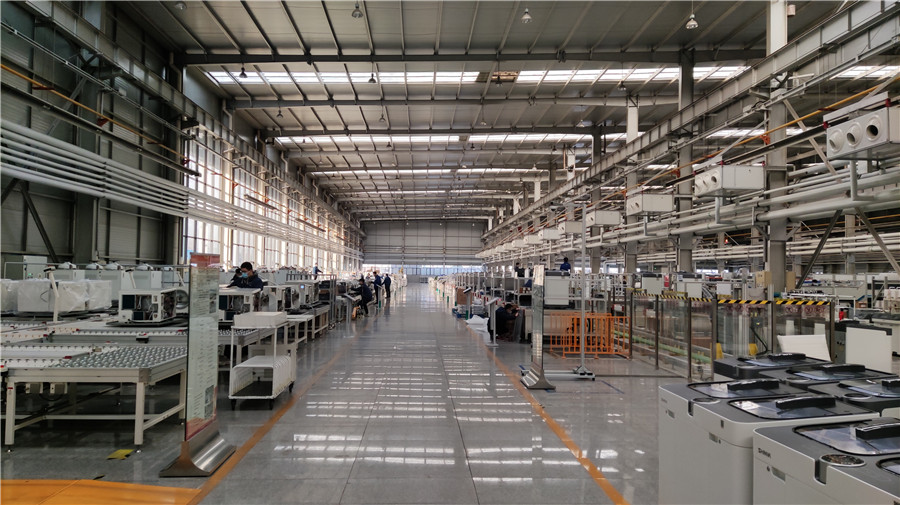
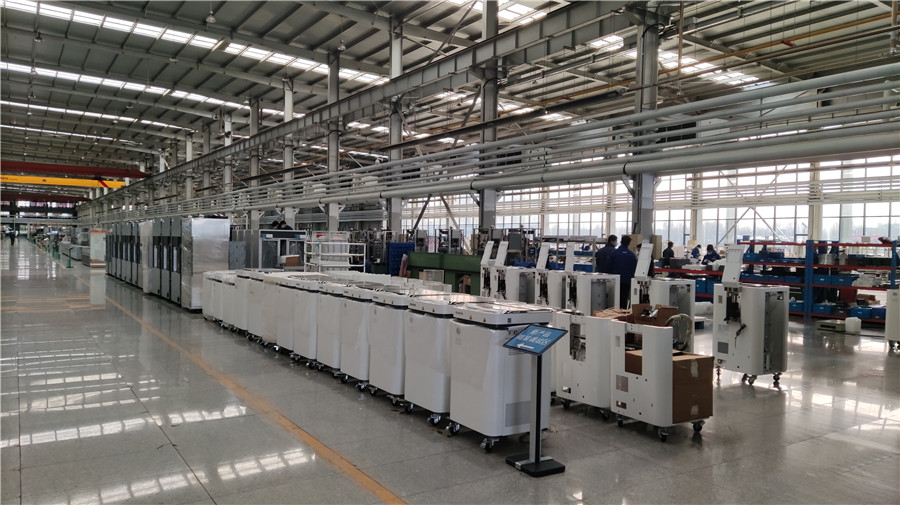
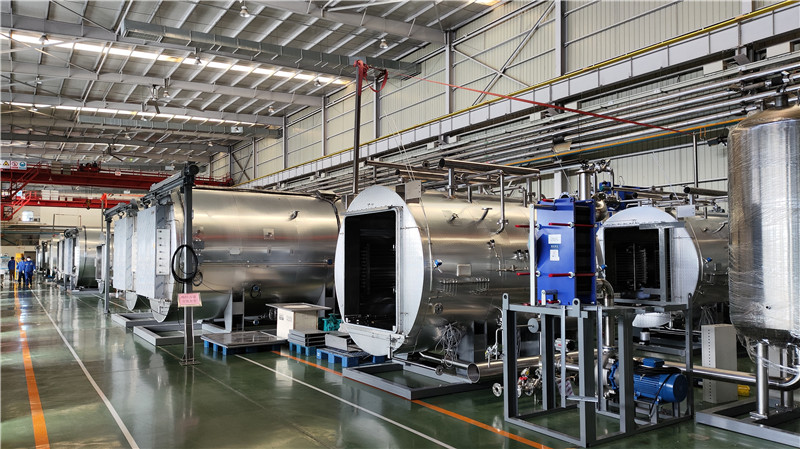
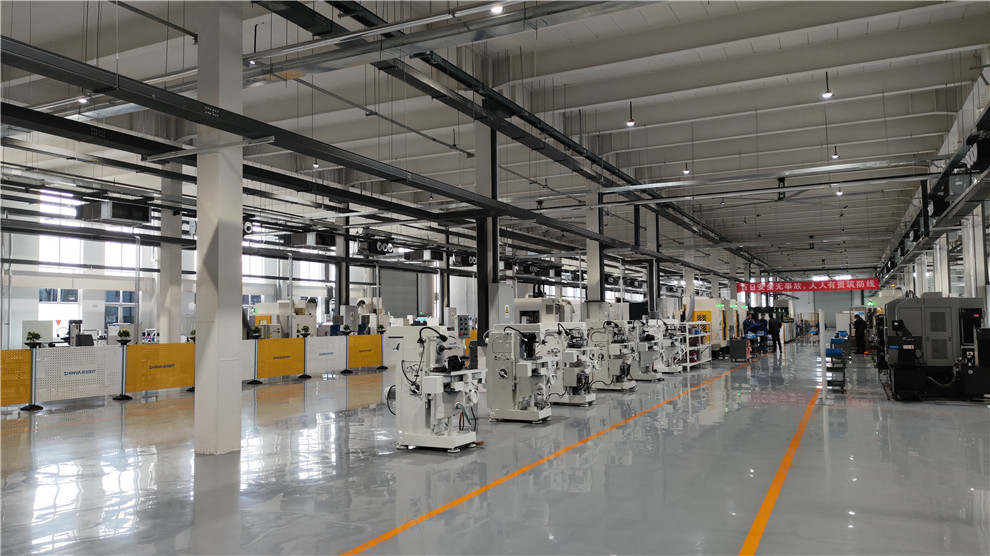
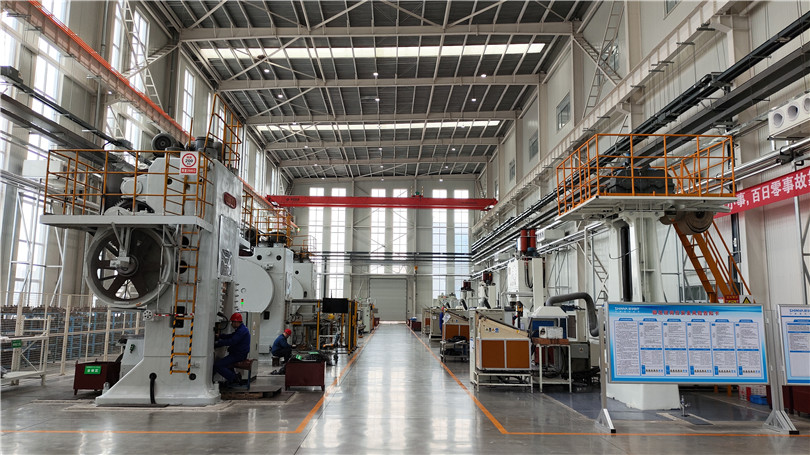
The company spans a total footprint of 6,600 sqm, featuring 4,700 sqm of construction area. Our dedicated production zone occupies 2,300 sqm, including a 1,500 sqm 100k-class cleanroom and a 200 sqm quality inspection zone. It also features well-designed raw material, finished product, and sample storage facilities.
Human Capital: Supported by a dedicated 50-person specialized team divided into precision production, rigorous quality control (QC), and strategic customer support units. This structure ensures efficient, high-quality manufacturing and total compliance with global medical standards.
Expert technical insights answering key questions regarding wholesale compression solutions, OEM engineering, and international logistics.
Discover our extended line of emergency response kits, dental accessories, hospital furniture, and specialized diagnostic instruments.
 MDV Medical