Telemedicine is not just a trend; it is reshaping healthcare. As noted by Dr. John Anderson, an expert in medical technology, "Telemedicine bridges the gap between patients and providers." This statement reflects the growing impact of telehealth on various aspects of medical care, particularly in device design.
How Telemedicine Is Changing Medical Device Design is a critical subject today. Once, medical devices were primarily designed for direct, in-person interactions. Now, the rise of telemedicine demands innovative features. Devices need to be more user-friendly and capable of real-time data transmission. This shift is not only about creating advanced equipment but also ensuring accessibility for all patients.
However, challenges arise. Design teams must balance high-tech functionalities with ease of use. Not all patients are tech-savvy. Moreover, privacy concerns around data transmission remain a pressing issue. This evolving landscape prompts continuous reflection. Understanding the needs and experiences of both patients and healthcare providers is essential in driving effective design changes. The fusion of telemedicine and medical device design is an area ripe for exploration and improvement.
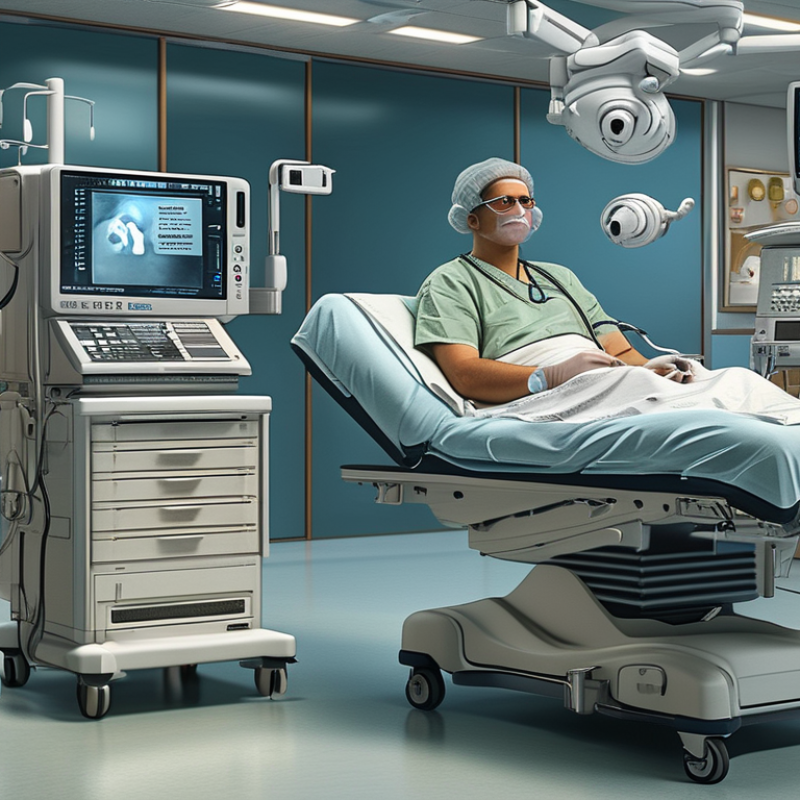
Impact of Telemedicine on Medical Device User Interface Design
The rise of telemedicine significantly shapes medical device user interface design. As healthcare becomes more digital, the emphasis is on user-friendly interfaces. Designers must prioritize simplicity, ensuring users can navigate with ease. Many patients are not tech-savvy, requiring interfaces that minimize confusion. This means icons need clarity, and instructions should be straightforward.
Real-time data sharing is another critical factor. With devices needing to send information to healthcare providers, the interface becomes the bridge. It's essential for users to see their data in comprehensible formats. Charts and graphs must be intuitive, allowing users to track their health at a glance. Moreover, feedback from users highlights areas needing improvement. Sometimes, these interfaces still overwhelm rather than assist, prompting ongoing refinement.
Security also demands attention in interface design. As data flows between patients and providers, users should feel confident in their privacy. Clear indications of a secure connection can alleviate anxiety. However, not all devices effectively communicate this, leading to potential issues. Designers are tasked with balancing functionality and security to ensure comprehensive user trust.
Integration of Wearable Technology in Telehealth Solutions
The integration of wearable technology into telehealth solutions is transforming medical device design. According to a report by the Global Market Insights, the telehealth market is expected to surpass $175 billion by 2026. This growth is driven by an increasing demand for remote monitoring and personalized care. Wearable devices such as smartwatches and fitness trackers collect real-time health data, enabling healthcare providers to make informed decisions.
Wearable technology enhances patient engagement and compliance. Patients can track their vital signs, activity levels, and medication adherence effortlessly. A study by the Journal of Medical Internet Research found that 70% of patients using wearables felt more in control of their health. However, the challenge lies in ensuring data accuracy. Many devices vary in precision, which can affect treatment outcomes. Evaluating device reliability is crucial.
Moreover, the design of wearables must prioritize user comfort. Bulky devices can discourage wear time, while user-friendly interfaces promote regular usage. Industry experts stress the importance of aesthetics and functionality. Continuous feedback from users helps refine designs. This iterative process is vital for advancing telehealth. Without aligning device design with patient needs, adoption may stall. Addressing these imperfections can lead to more effective solutions.
Top 10 Ways Telemedicine Changes Medical Device Design Today
| Dimension |
Description |
Impact on Healthcare |
| Connectivity |
Enhanced data transmission capabilities through devices. |
Improves remote monitoring and real-time data access. |
| User Interface |
Designed for ease of use by patients and healthcare professionals. |
Facilitates higher patient engagement and adherence. |
| Data Analytics |
Integration of AI to analyze health data trends. |
Enables proactive healthcare interventions. |
| Wearable Sensors |
On-body devices for continuous health monitoring. |
Enhances chronic disease management. |
| Customization |
Devices tailored to individual patient needs. |
Improves treatment outcomes and satisfaction. |
| Regulatory Considerations |
Adapting to evolving telehealth regulations. |
Ensures device compliance and safety. |
| Interoperability |
Ability of different systems to work together. |
Streamlines information exchange among care providers. |
| Security Features |
Advanced encryption and data protection measures. |
Builds patient trust and ensures data privacy. |
| Scalability |
Ability to support increasing numbers of users. |
Makes solutions accessible to a wider audience. |
| Cost-Effectiveness |
Reduction of operational costs through technology. |
Allows for lower healthcare expenses for patients. |
Importance of Remote Monitoring Capabilities for Device Design
Remote monitoring capabilities are revolutionizing medical device design. Patients and healthcare providers can now access real-time health data, leading to better care. According to a recent report by the Global Telemedicine Market, the industry is projected to reach $175 billion by 2026. This growth emphasizes the need for devices that can seamlessly transmit data from home to clinician.
Designing for remote monitoring requires a deeper understanding of patient needs. Devices must be user-friendly and engaging. Many users report frustration with complex interfaces. This highlights the need for intuitive design in telemedicine devices. Wireless connectivity and battery life are also crucial factors. A Harvard study found that 40% of patients abandon devices due to short battery life and poor connectivity.
Developers should prioritize simplicity in device aesthetics and functionality. Regular updates based on user feedback can improve devices significantly. Monitoring also brings challenges. Security and data privacy must not be compromised. Manufacturers must ensure that sensitive patient data remains protected. Adopting robust encryption measures is essential to build trust within the patient community.
Customization of Medical Devices for Telemedicine Applications
The integration of telemedicine into healthcare has drastically transformed the design of medical devices. Customization is now a priority for manufacturers, ensuring devices cater specifically to remote monitoring needs. Devices must be user-friendly, so patients can operate them with little assistance. This push for simplicity sometimes sacrifices advanced features, leading to questions about functionality versus ease of use.
Telemedicine demands devices that are not only portable but also capable of transmitting data securely. Data privacy is critical, which places additional requirements on device design. Innovators are experimenting with various materials to enhance durability and comfort, yet they often grapple with balancing this with production costs. This reflects a persistent challenge in medical device design: creating effective solutions while ensuring affordability.
Moreover, healthcare professionals require a variety of data from these devices. This creates a need for adaptability, as medical devices might not meet all clinical demands from inception. There's a risk of creating gadgets that perform well in theory but lack practical application. Continuous user feedback is vital to refine designs and improve efficacy. Each iteration should consider the real-world challenges faced by patients and providers alike.
Top 10 Ways Telemedicine Changes Medical Device Design Today
Regulatory Challenges Affecting Telemedicine-Inspired Devices
Telemedicine has introduced innovative approaches to medical device design. However, regulatory challenges can hinder advancements. Devices must comply with strict guidelines set by health authorities. This can slow down the approval process, affecting time to market. For instance, remote monitoring devices require robust security and data protection. Ensuring compliance can be complex and resource-intensive.
Device developers face unique hurdles due to telemedicine's evolving nature. Regulations might not keep pace with rapid technological changes. This mismatch creates uncertainty. Companies must navigate a tangled web of local and national laws. It is essential to ensure that devices are effective and safe for patients. The regulatory environment calls for ongoing dialogue among stakeholders. Collaboration can lead to better understanding and smoother processes.
For designers, usability is vital in telemedicine. Devices must be user-friendly and accessible. However, meeting regulatory requirements can sometimes compromise design efficiency. Balancing compliance and user experience remains an area needing reflection. Streamlining the design process while adhering to regulations is crucial for future advancements.
Conclusion
The article "Top 10 Ways Telemedicine Changes Medical Device Design Today" explores the transformative effects of telemedicine on the design and functionality of medical devices. How Telemedicine Is Changing Medical Device Design is evident through the evolution of user interface design, which now prioritizes ease of use for remote interactions. Furthermore, the integration of wearable technology in telehealth solutions enhances patient engagement and data collection, allowing for more effective monitoring and management of health conditions.
Additionally, the importance of remote monitoring capabilities cannot be overstated, as devices are increasingly designed to facilitate real-time data transmission to healthcare providers. Customization of medical devices for specific telemedicine applications addresses diverse patient needs, while navigating regulatory challenges remains crucial for the development of devices inspired by telehealth innovations. Overall, telemedicine is reshaping the landscape of medical device design, promoting greater accessibility and improved patient outcomes.

 MDV Medical