How Digital Monitoring Improves Patient Outcomes is becoming an important question in modern healthcare. Connected devices can record heart rate, blood pressure, oxygen levels, glucose, and daily activity. These measurements give clinicians a clearer view between appointments. A patient recovering at home may use a pulse oximeter each morning. A sudden decline can prompt timely clinical review.
Digital monitoring supports earlier intervention and more personalized care. For people with diabetes, regular glucose readings may reveal patterns linked to meals, medication, or exercise. For patients with heart failure, weight changes can signal fluid retention before severe symptoms appear. Healthcare teams can then adjust treatment based on current evidence, not memory alone. This approach may reduce avoidable hospital visits and improve treatment adherence.
Still, the picture is not perfect. Devices can produce inaccurate readings, especially when sensors fit poorly or batteries fail. Patients may also feel anxious when every measurement becomes a warning. Clinical expertise remains essential. Professionals must confirm unusual results, explain their meaning, and consider the patient’s wider condition. Reliable programs use validated equipment, secure data systems, and clear escalation procedures. They also respect access needs, because not every patient owns a smartphone or has stable internet. Real-world experience shows that technology works best when it supports human care rather than replacing it. The benefits are promising, but careful evaluation remains necessary.
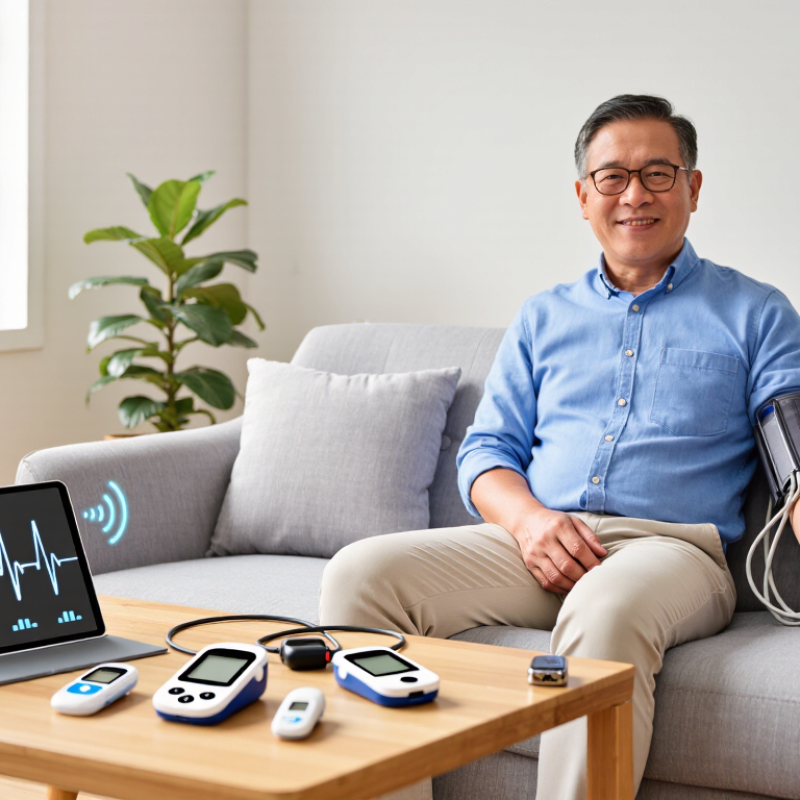
Digital monitoring means collecting patient data outside traditional clinical visits. Its scope includes remote patient monitoring, connected devices, mobile applications, and home-based testing. Core technologies include wearable sensors, Bluetooth-enabled equipment, cloud platforms, and clinical decision-support tools. A blood-pressure cuff can transmit readings after breakfast, while a pulse sensor can reveal unusual changes during sleep.
These tools support earlier intervention. A care team may notice rising weight in a patient with heart failure before severe breathlessness appears. The IQVIA Institute reported more than 350,000 digital health applications worldwide in 2021, showing the field’s enormous scale. However, availability does not equal clinical value. Poorly designed alerts can overwhelm clinicians and worry patients.
Digital monitoring also strengthens continuity. According to Rock Health’s 2023 consumer survey, 82% of American adults had used virtual care. Monitoring can make those encounters more informed, especially when patients share time-stamped readings and symptom notes. Data quality still depends on device accuracy, digital access, and patient habits. The World Health Organization’s Global Strategy on Digital Health 2020–2025 stresses interoperability, governance, and equity. Those principles matter at home, not only in hospitals. A disconnected platform can create another burden. A missed reading may reflect limited internet access, not worsening health. Human review remains essential.
Digital monitoring improves patient outcomes by turning scattered observations into usable clinical evidence. Sensors can record blood pressure, glucose, heart rate, oxygen levels, sleep, and movement. A secure platform then timestamps, cleans, and compares these readings with personal baselines. Clinicians may notice gradual deterioration before a patient feels seriously unwell. This matters because the World Health Organization’s World Health Statistics 2023 reports that noncommunicable diseases cause 74% of deaths worldwide. Earlier signals can support earlier conversations, treatment changes, or referrals. The process is not automatic magic. Poor calibration, missing readings, and weak internet access can distort the picture.
Data interpretation needs clinical judgment. Algorithms can flag an unusual oxygen trend, but they cannot fully understand anxiety, medication changes, or daily living conditions. The OECD’s Health at a Glance 2023 identifies digital health data as valuable for improving care coordination and system performance, while also stressing privacy and data quality. In practice, clinicians should combine device readings with symptoms, medical history, and direct communication. A single abnormal value should invite a check, not trigger panic. I have found that simple dashboards often support better decisions than crowded screens. Still, even a clear dashboard can hide bias when some patients monitor more consistently than others.
Tips: Choose clinically validated devices. Set clear alert thresholds. Explain what each alert means. Review missing data, not only abnormal data. Ask patients whether monitoring fits their routine. Document the reasoning behind every treatment change.
Digital monitoring combines vital signs, symptoms, medication adherence, and activity data to identify changes earlier and support timely clinical decisions.
The chart presents evidence-informed outcome improvements commonly reported across remote patient monitoring and telemonitoring studies. Results vary by condition, patient population, device accuracy, and clinical response workflow.
Digital monitoring can reveal health changes before symptoms become obvious. A rising resting heart rate, unusual breathing pattern, or falling oxygen level may signal clinical risk. These small shifts often appear across several readings, not in one isolated measurement. Clinicians can review the trend, check the patient’s symptoms, and arrange timely assessment. This matters for people recovering at home after surgery or managing heart and lung conditions. Early information can support faster treatment and reduce avoidable deterioration.
Reliable monitoring depends on accurate equipment, clear instructions, and regular data review. A morning reading may be useful, but context matters. Fever, exercise, stress, poor sleep, or an incorrectly fitted sensor can create false alerts. Digital tools should support professional judgment, not replace it. Clinical teams also need agreed thresholds and escalation procedures. Without these safeguards, more data may create confusion instead of better care. That limitation deserves honest attention.
Tips: Record readings at consistent times. Note symptoms beside the numbers. Report sudden or persistent changes to a qualified clinician. Do not ignore severe breathlessness, chest pain, confusion, or fainting. Ask how your data is protected and who reviews it. Test the process before an emergency occurs.
Digital monitoring can make treatment more personal by turning scattered readings into useful clinical context. A blood-pressure trend, missed dose, or sleep change may reveal problems before a routine appointment. The World Health Organization reports that adherence to long-term therapies averages only about 50% in developed countries. Timely reminders and clinician review can address that gap, but alerts must reflect each patient’s condition, routine, and health literacy. More data is not automatically better care.
Follow-up becomes more precise when monitoring connects home measurements with clear clinical decisions. For example, a patient recovering after discharge might record weight each morning and report breathlessness at night. A care team can review changes, adjust treatment, or arrange an earlier assessment. The Centers for Disease Control and Prevention’s 2024 National Diabetes Statistics Report estimates that 38.4 million Americans have diabetes. Regular glucose information may support safer adjustments, especially when paired with diet, medication, and symptom details. Still, devices can produce false readings, and connectivity can fail.
Patient engagement grows when people understand what their data means. Simple feedback, shared goals, and short check-ins can make care feel collaborative rather than intrusive. Small actions matter. Yet engagement is not guaranteed. Some patients may feel watched, overwhelmed, or blamed by constant notifications. Monitoring programs should therefore test alert frequency, accessibility, and response times with real users. Clinicians also need time to interpret data, not merely collect it. WHO’s digital health guidance emphasizes that technology should strengthen, not replace, human-centered care.
Digital monitoring can reveal changes before a patient notices symptoms. A rising pulse, reduced movement, or irregular sleep may guide earlier clinical review. Yet useful data depends on careful collection, not constant surveillance.
Privacy must be designed into every step. Patients should understand what is recorded, why it matters, and who can view it. Strong encryption, limited access, and clear deletion policies reduce unnecessary exposure. Consent should remain active, especially when monitoring continues at home. A quiet room still deserves privacy.
Accuracy is equally important. Devices can misread signals because of loose contact, darker skin, motion, or poor connectivity. Small errors matter. Clinical teams should compare digital readings with standard assessments and investigate unusual results. Automated alerts also need human review. Too many false alarms can exhaust staff and frighten patients.
Implementation often fails for practical reasons. Older adults may struggle with charging, pairing, or interpreting alerts. Staff may receive data without enough time to respond. A small pilot can expose these gaps before wider use. Training, accessible instructions, technical support, and clear escalation rules are essential. However, even a well-planned pilot may overlook language barriers or unequal internet access. That weakness should be documented, not hidden.
Digital monitoring collects health data outside regular clinic visits. Wearable sensors, home devices, mobile apps, and cloud systems can support this process. A blood-pressure cuff might send a reading after breakfast. It is useful, but not perfect.
Repeated readings may reveal rising heart rate, unusual breathing, or falling oxygen levels. One abnormal result may mean little. A concerning pattern deserves clinical review. Early attention can help prevent serious deterioration.
People managing heart, lung, or long-term conditions may benefit. Patients recovering after surgery can also share daily measurements. A morning weight and evening symptom note can show meaningful changes. Needs differ.
Yes, when clinicians connect readings with symptoms, medication routines, diet, and sleep. A glucose trend may guide a safer treatment discussion. Missed doses can also become visible. More data does not automatically mean better care.
Measure at consistent times and follow the device instructions. Keep the sensor fitted correctly. Record symptoms beside each number. Stress, exercise, fever, and poor sleep can distort results.
Poor sensor placement, inaccurate equipment, weak internet, or forgotten readings can create problems. A missed measurement may reflect limited access, not worsening health. Alerts can also become excessive. The system needs testing.
No. It supports professional judgment and does not replace human review. Clinicians should check trends, symptoms, and context together. Someone must decide when an alert requires action.
Clear feedback and short check-ins can make care feel more collaborative. Simple goals help patients understand their numbers. Constant notifications may feel intrusive or stressful. That risk needs honest attention.
Ask who reviews the data, how it is protected, and how quickly someone responds. Confirm what changes require medical contact. Test the equipment before an emergency. Do not rely on technology alone.
How Digital Monitoring Improves Patient Outcomes begins with the continuous collection of meaningful health data through connected devices, mobile applications, remote sensors, and digital health platforms. These technologies can track vital signs, symptoms, medication use, activity levels, and other indicators, then organize and interpret the information to support informed clinical decisions. By identifying unusual changes early, digital monitoring may help healthcare professionals recognize emerging risks, respond sooner, and reduce avoidable complications.
Digital monitoring also supports more personalized treatment and follow-up by showing how patients respond over time. Timely feedback can improve communication, encourage adherence to care plans, and help patients take a more active role in managing their health. However, successful implementation requires strong privacy safeguards, reliable data, accurate measurement, and clear clinical workflows. Healthcare organizations must also address technology access, staff training, patient understanding, and ethical data management to ensure that digital monitoring is safe, equitable, and genuinely beneficial.

MDV Medical