How Do Hospitals Ensure Compliance with Medical Devices?

Time:2026-08-29 Author:Isabella
0%

Ensuring compliance with medical devices is critical for hospitals. Safe and effective use of these devices protects patient health. Hospitals face challenges in meeting regulatory standards. Compliance issues can arise from device malfunction or improper use. Therefore, understanding "How Hospitals Manage Medical Device Compliance" becomes essential.

Effective management involves regular training for healthcare professionals. Staff must be aware of the latest regulations and device capabilities. Proper documentation and reporting systems are necessary for accountability. Yet, hospitals sometimes struggle with outdated processes or lack of resources. This can create gaps in compliance.

Moreover, collaboration with device manufacturers is crucial. Hospitals need to stay updated on product recalls and safety alerts. Engaging with these industry partners helps foster accountability. However, reliance on external communications may lead to information delays. Comprehensive strategies must evolve to address these challenges, ensuring safety in patient care.
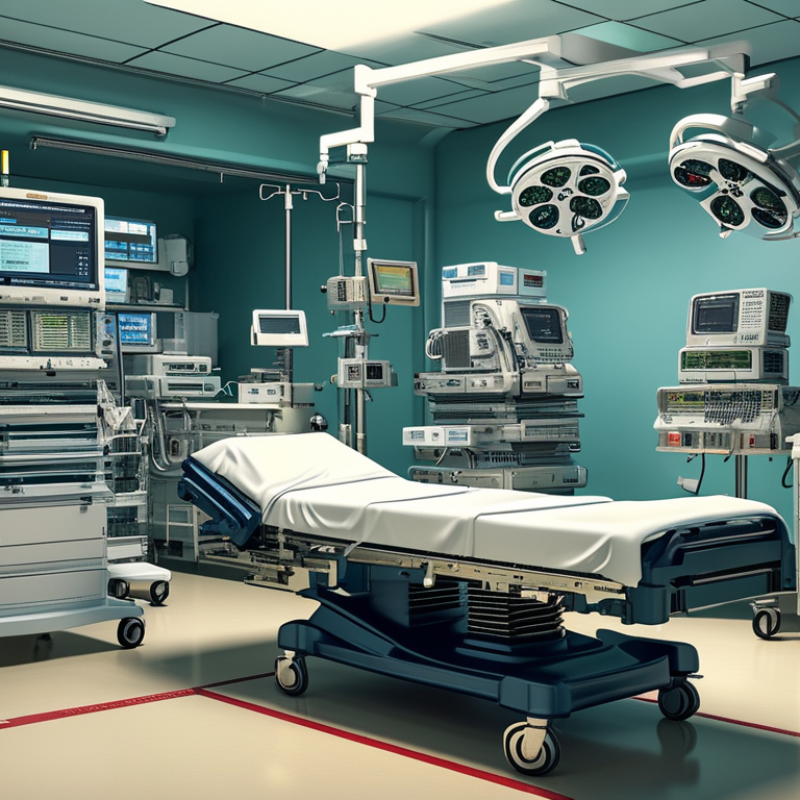
How Do Hospitals Ensure Compliance with Medical Devices?

Understanding Compliance Regulations for Medical Devices in Hospitals

Hospitals face constant pressure to comply with regulations regarding medical devices. Understanding these compliance regulations is crucial for patient safety. Regulations often include thorough testing and certification from recognized authorities. Compliance ensures that devices are safe and effective before usage. Hospitals must maintain detailed records to verify the status of each device in their inventory.

Staff training is essential to enforce compliance. Regular training sessions educate healthcare professionals about device usage and reporting issues. Documentation of incidents involving medical devices is also necessary. It helps identify patterns and areas needing improvement. However, even with all precautions, lapses can occur. Some staff may overlook proper procedures due to time constraints or lack of awareness.

To tackle this challenge, hospitals need robust monitoring systems. These systems track device performance and compliance in real-time. Implementing feedback mechanisms can also enhance the understanding of device efficacy. Yet, despite efforts, compliance remains an ongoing struggle. It's a complex landscape that requires constant vigilance and commitment to refining practices. The journey toward full compliance is ongoing and requires a collective effort.

Key Stakeholders in Hospital Medical Device Compliance

In the realm of hospital medical device compliance, key stakeholders play critical roles. These include regulatory agencies, hospital administrators, clinical staff, and manufacturers. According to a recent report by the International Medical Device Regulators Forum, nearly 70% of facilities struggle to keep up with compliance requirements. These complexities require effective communication among all parties involved.

Regulatory agencies set forth guidelines that ensure medical devices meet safety and efficacy standards. Hospitals must remain vigilant in understanding these regulations to avoid penalties. Administrators are tasked with allocating resources toward compliance efforts. A survey from the American Hospital Association indicated that 65% of administrators expressed concern about the adequacy of their current compliance training programs.

Moreover, clinical staff are on the front lines, using these devices daily. Their feedback is essential for identifying potential compliance issues. However, many staff members report insufficient training on new devices, leading to gaps in compliance. The Medical Device Innovation Consortium found that more than 50% of healthcare professionals believe improved education on device regulations is crucial. Balancing compliance with patient care remains a challenge for many hospitals, highlighting areas for improvement.

How Do Hospitals Ensure Compliance with Medical Devices? - Key Stakeholders in Hospital Medical Device Compliance

Stakeholder Role in Compliance Key Responsibilities Compliance Challenges
Clinical Engineering Department Device Management Conducting inspections and maintenance, ensuring proper usage by staff. Keeping up with evolving technology and regulatory requirements.
Quality Assurance Team Risk Management Implementing and monitoring compliance processes, identifying risks. Integrating new devices into existing compliance frameworks.
Regulatory Affairs Specialists Regulatory Compliance Tracking regulatory changes, ensuring all devices meet legal standards. Staying updated with frequent regulatory changes.
Procurement Department Purchasing and Vendor Management Evaluating vendor compliance, negotiating contracts. Balancing cost with compliance requirements.
Healthcare Professionals Device Operators Utilizing medical devices correctly, reporting issues. Limited training on new technologies.

Procedures for Assessing Medical Device Compliance in Healthcare Settings

In healthcare settings, ensuring compliance with medical devices is critical. Hospitals implement specific procedures to assess whether their devices meet regulations and safety standards. This involves rigorous evaluations that incorporate testing and documentation. Each device undergoes a detailed review process. This includes checking for accuracy in performance and safety features.

Staff training is an essential part of compliance. Employees must be well-informed about the devices they use. Regular workshops and training sessions are conducted to maintain high standards. Additionally, hospitals often conduct internal audits. These audits identify areas where compliance may lag. They also provide an opportunity for improvement in practices and processes.

Assessment procedures also focus on continuous monitoring. Post-implementation evaluations track device performance over time. Data is collected on any incidents or malfunctions. Hospitals need to ensure that any identified issues are addressed quickly and effectively. Yet, there are challenges. Resource limitations and varying levels of expertise among staff can hinder effective compliance management. Reflection on these areas is vital to enhance overall compliance efforts in the future.

Training and Education for Hospital Staff on Medical Device Regulations

Training and education for hospital staff on medical device regulations are essential in maintaining compliance. In a survey by the Medical Device Innovation Consortium, over 30% of hospital staff expressed uncertainty about current regulations. This highlights the need for comprehensive training programs. Regular workshops and online courses can bridge knowledge gaps, ensuring staff stay updated with evolving standards.

Moreover, simulation-based training is proving effective. According to a study in the Journal of Biomedical Engineering, hands-on training increases retention rates by 40%. This method allows staff to familiarize themselves with devices in a controlled environment. Continuous training encourages a culture of safety and compliance, reducing the risk of errors.

However, even with training, challenges persist. Over 20% of healthcare professionals reported feeling overwhelmed by regulations. This reflects a broader issue within healthcare settings: the need for ongoing education and accessible resources. Ensuring that staff have sufficient time and support for learning can lead to better compliance outcomes and improved patient safety.

Monitoring and Reporting Compliance Issues with Medical Devices

Compliance with medical devices is critical for hospitals. Monitoring these devices involves multiple layers of oversight. Hospitals often establish dedicated teams to regularly check device performance and functionality. The goal is to ensure patient safety and effective treatment.

Reporting compliance issues is equally important. Hospitals must create a transparent system for staff to report problems. This includes both minor device malfunctions and major safety concerns. Staff members need to feel comfortable sharing their observations. An open culture encourages prompt reporting and swift action. It’s crucial to analyze the reported issues thoroughly.

However, despite these efforts, lapses can occur. In some cases, the device may function correctly, but its usage might not comply with hospital protocols. Staff training plays a vital role here. Regular training sessions remind staff of the importance of adherence to protocols. Adjustments may be necessary as medical technology evolves. These ongoing challenges highlight the need for constant vigilance and reflection within healthcare settings.

FAQS

: Why is compliance assessment important for medical devices in healthcare?

: Compliance assessment ensures that medical devices meet safety and performance regulations. It enhances patient safety in hospitals.

What procedures are involved in assessing medical device compliance?

The assessment involves rigorous evaluations, including testing and documentation. Each device undergoes a detailed review process.

How does staff training contribute to compliance?

Staff training ensures employees understand devices and regulations. Regular workshops maintain high standards within healthcare settings.

What challenges do hospitals face in ensuring device compliance?

Resource limitations and varying staff expertise can hinder compliance. Reflection on these issues can improve future efforts.

How is continuous monitoring implemented after device installation?

Continuous monitoring involves post-implementation evaluations. Hospitals track device performance and collect data on incidents or malfunctions.

What percentage of hospital staff feels uncertain about regulations?

Over 30% of hospital staff reported uncertainty about current regulations. This highlights the need for better training programs.

What type of training is effective for hospital staff?

Simulation-based training proves effective. Hands-on experience increases retention rates and helps staff familiarize with devices.

How can ongoing education affect compliance?

Ongoing education provides necessary resources and support. It reduces feelings of overwhelm and improves patient safety outcomes.

What method can enhance awareness of device regulations?

Regular workshops and online courses can bridge knowledge gaps. Keeping staff updated with evolving standards is crucial.

What impact do regulatory challenges have on healthcare professionals?

Over 20% of professionals feel overwhelmed by regulations. This indicates a need for accessible resources and sufficient learning time.

Conclusion

In the realm of healthcare, "How Hospitals Manage Medical Device Compliance" is essential for ensuring patient safety and effective treatment. Hospitals must navigate a complex landscape of compliance regulations that govern medical devices. Key stakeholders, including legal teams, clinical staff, and regulatory affairs professionals, play critical roles in maintaining adherence to these regulations.

To assess compliance, hospitals implement rigorous procedures that involve regular evaluations of medical devices and their usage. Training and education for hospital staff are vital to familiarize them with the latest regulations and compliance standards. Additionally, effective monitoring and reporting mechanisms help identify and address compliance issues promptly, ensuring a safe environment for patients and staff alike. Ultimately, a proactive approach to medical device compliance is crucial for the successful operation of healthcare facilities.

Isabella

Isabella

Isabella is a dedicated marketing professional with a sharp focus on driving brand growth and engagement through strategic content creation. With an extensive background in digital marketing, she combines her passion for storytelling with her keen understanding of industry trends to deliver......