Choosing the right medical equipment is crucial for effective healthcare. Selecting the appropriate tools can impact patient outcomes and operational efficiency. Understanding what to consider when selecting medical equipment is essential for healthcare providers.
Factors such as quality, reliability, and compliance with regulations come into play. It's vital to assess the specific needs of your practice. Equipment should align with the intended medical procedures. Misjudging these requirements can lead to costly mistakes.
Always check manufacturer credentials and expert reviews. Trusted sources provide insights into durability and performance. This process can feel overwhelming, especially with numerous options available. Take your time to evaluate choices carefully. Selecting equipment isn't just a task; it's a responsibility that demands thoughtful consideration.
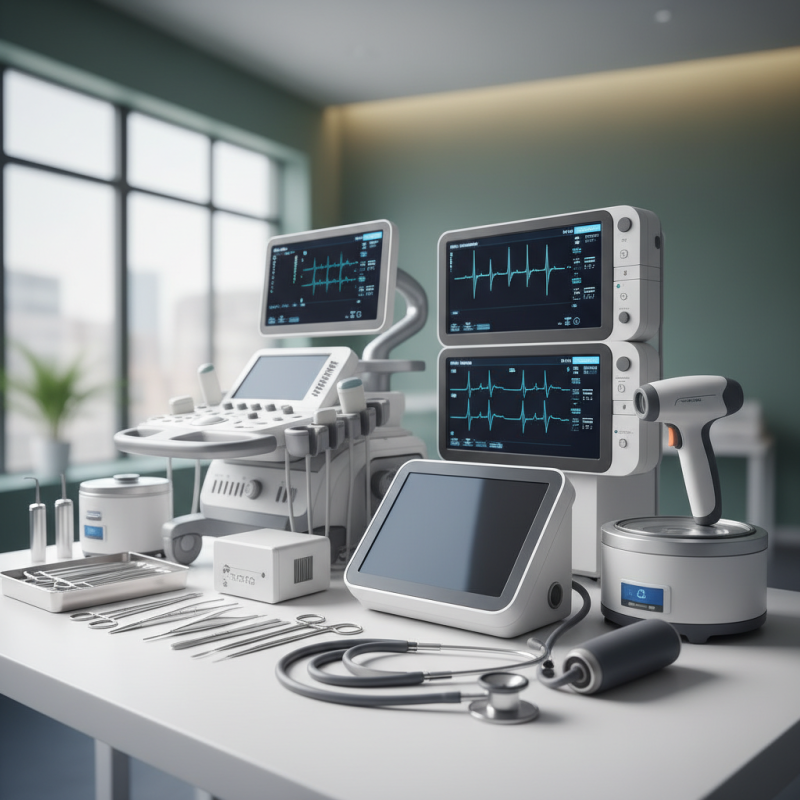
Understanding your medical needs is crucial when selecting the right equipment. Consider your specific health conditions and mobility issues. For instance, do you need assistance walking?
Wheelchairs or walkers could offer support. If managing a chronic illness, items like glucometers or blood pressure monitors may be essential for tracking your health. Reflect on your daily activities. Think about what equipment could make your life easier.
It’s also important to consider the space you have available. Some devices require more room than others. Compact options may be needed in smaller living spaces. Assess how often you’ll use the equipment. Occasional use may not justify the cost of high-end products. Sometimes, rental options are available. This approach can save money while meeting your needs.
Consulting healthcare professionals can provide valuable insights. They can help identify necessary items based on your condition. However, their suggestions may not always align with your preferences or budget. Take time to research different types of equipment. Understand their benefits and drawbacks. Making informed decisions requires reflecting on your personal circumstances and preferences.
When selecting medical equipment, it's essential to understand the various types available. Medical equipment primarily falls into categories such as diagnostic, therapeutic, and monitoring devices. Diagnostic equipment includes tools like X-ray machines and MRI scanners. These aid in identifying medical conditions. It’s crucial that healthcare professionals are trained to use these devices properly.
Therapeutic equipment encompasses items such as infusion pumps and surgical instruments. These tools are integral in treating health issues. Choosing the right therapeutic device requires careful consideration of the patient's specific needs. Monitoring devices, like heart rate monitors and blood glucose meters, help track patient health over time. The accuracy and reliability of these devices can significantly affect treatment outcomes.
Understanding each category helps in making informed decisions. However, the diversity of equipment can be overwhelming. Not all products meet modern standards. It's vital to prioritize quality and efficacy when making selections. Consider consulting with experienced professionals. They often provide insights that aren’t immediately obvious. This process should involve continuous learning and adjustments based on evolving needs.
Choosing the right medical equipment involves various factors that significantly affect patient care and outcomes. Safety is a primary concern. Equipment must meet strict health regulations. Consider user-friendliness as well. Complicated devices can lead to errors. Training may be necessary, adding to costs and time.
Additionally, budget constraints play a crucial role. Cheaper options may lack necessary features. It's important to balance cost with quality. Research different types of equipment. Read reviews, but remain critical. Not all feedback is reliable. Evaluate the specific needs of your practice or facility. What works for one might not work for another.
Also, think about maintenance and support. Some devices require regular servicing. Factor this into your decision-making. Equipment that breaks down frequently generates frustration. A hidden cost can appear if spare parts are hard to find. Reflect on the purchase long-term. You might discover unexpected challenges along the way.
When evaluating medical equipment, quality and compliance are paramount. According to a report by the World Health Organization, nearly 50% of medical devices in developing countries do not meet required safety standards. This alarming statistic underscores the necessity of rigorous assessments for purchasing decisions. Ensuring that equipment complies with relevant regulations can help minimize risks and enhance patient safety.
Tips: Always verify manufacturer certificates. Check for ISO certifications and compliance with FDA or CE Marking guidelines.
Another aspect to consider is the longevity and maintenance of medical equipment. The average lifespan of medical devices varies significantly, from a few years for disposables to over a decade for high-quality machinery. Poorly maintained equipment can lead to inaccurate results, potentially compromising patient care. Regular maintenance schedules should be established, and users must be adequately trained on equipment usage and care.
Tips: Implement a preventive maintenance program. This can significantly reduce downtime and improve the reliability of your equipment.
| Equipment Type | Quality Rating | Compliance Status | Durability (Years) | Maintenance Frequency (Years) |
|---|---|---|---|---|
| MRI Machine | Excellent | Compliant | 10 | 5 |
| Ultrasound Machine | Good | Compliant | 7 | 3 |
| Infusion Pump | Very Good | Compliant | 5 | 2 |
| Patient Monitor | Good | Compliant | 8 | 4 |
| X-Ray Machine | Excellent | Compliant | 15 | 6 |
When budgeting for medical equipment, it's essential to understand the costs involved. A recent report by the Medical Device Manufacturers Association found that healthcare facilities allocate approximately 30% of their annual budget to purchasing medical equipment. This significant figure highlights the importance of strategic planning.
Financing options are available to help manage these costs. For instance, leasing is a popular choice for many healthcare providers. It reduces upfront expenses while still allowing access to the latest technology. According to industry surveys, around 45% of facilities use leasing as a financial strategy. However, this approach can lead to long-term expenses, which may not be apparent at first.
Choosing the right equipment based on budget is also crucial. Understanding the total cost of ownership, including maintenance and operational costs, provides a clearer picture. A comprehensive analysis often reveals that cheaper upfront options may require higher maintenance costs. Therefore, a careful assessment is necessary to ensure financial sustainability. Reflecting on these aspects can lead to smarter investment decisions in the long run.
: Medical equipment falls into diagnostic, therapeutic, and monitoring categories. Each serves a unique purpose in healthcare.
Proper training for healthcare professionals is crucial. Inadequate knowledge can lead to errors and compromised patient safety.
Consider the patient’s specific needs. Each device has unique specifications that cater to different health conditions.
Always verify manufacturer certifications. Look for ISO certifications and compliance with safety regulations as a priority.
Medical device lifespans vary. Disposables last a few years, while high-quality machinery can last over a decade with proper care.
Leasing is common for many providers. It reduces upfront costs but may lead to higher long-term expenses.
Poorly maintained equipment can yield inaccurate results. Establishing regular maintenance is essential for reliable operation.
Healthcare facilities allocate a significant portion of budgets to equipment. Strategic planning helps manage these costs effectively.
It includes the purchase price, maintenance, and operational costs. Understanding this helps in making informed investment decisions.
Yes, cheaper options may require higher maintenance costs. It's essential to assess long-term expenses before making a decision.
When considering medical equipment, it is crucial to understand your specific medical needs and equipment requirements. This involves evaluating the types of medical equipment available, which can be categorized into various overview classes based on functionality and purpose. What to consider when selecting medical equipment includes factors such as ease of use, durability, and the intended environment for use, whether in a clinical or home setting.
Additionally, ensuring the quality and compliance of medical equipment is vital, as it guarantees safety and effectiveness. Budgeting for these essentials is equally important, taking into account both upfront costs and potential financing options. By carefully weighing these aspects, individuals and healthcare providers can make informed decisions that best meet their healthcare needs.

MDV Medical